Foundations & Slabs
Engineered for North Texas clay soil — conventional and post-tension slabs built to code.
North Texas clay soil expands and contracts with every rain cycle — a foundation that isn't engineered for it will crack. Plano sits squarely on this expansive clay, and every slab we pour is designed to handle the ground movement that comes with the territory.
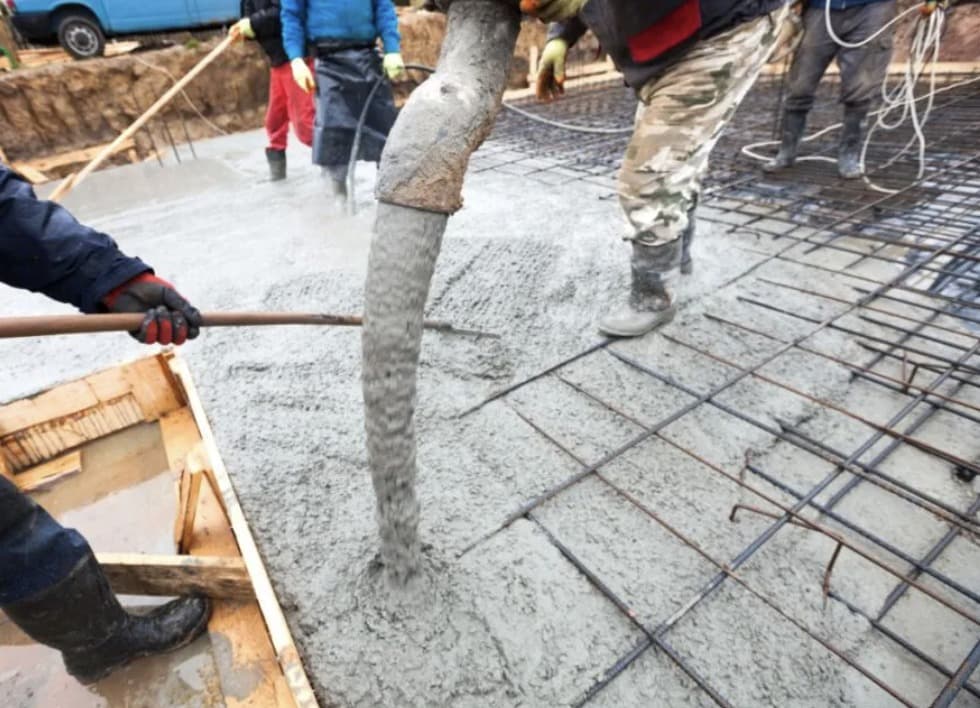
We pour post-tension and conventional slab foundations for new construction, home additions, detached garages, workshops, and commercial buildings throughout Plano. Post-tension slabs use high-strength steel cables tensioned after the pour to actively resist the forces that clay soil exerts on a foundation. Conventional slabs use traditional rebar reinforcement and are appropriate for lighter structures and garage floors.
Every foundation project starts with a soil assessment and engineered design. We work with structural engineers to ensure your slab meets or exceeds local building codes, handles the specific soil conditions on your lot, and includes proper moisture barriers and drainage provisions.
Get a Free Quote
Ready to start your foundations project? Call us or request a quote online.
(214) 751-8014Request a Quote OnlineWhy Choose Our Foundations Service
Our Process
Soil Assessment & Engineering
A geotechnical report determines soil conditions on your lot. A structural engineer designs the foundation system — post-tension or conventional — to match.
Excavation & Grade Beams
The site is excavated to design depth, grade beams (perimeter and interior) are formed, and the subgrade is prepped with proper compaction and moisture barriers.
Rebar & PT Cables
Steel reinforcement is placed according to the engineering plan. For post-tension slabs, high-strength cables are routed through the forms and anchored at the edges.
Pour
Concrete is placed in a continuous pour to avoid cold joints. The surface is leveled, screeded, and finished to the required tolerance.
Cure & Tension
The slab is wet-cured for strength. For post-tension foundations, cables are stressed to their design load after the concrete reaches sufficient strength — typically 3–5 days after the pour.
Frequently Asked Questions
Post-tension vs. conventional — which is better?
Post-tension slabs are the standard for new home construction in Plano because they actively resist soil movement. Conventional slabs work well for garages, shop floors, and lighter structures. We'll recommend the right system for your project.
How long does a foundation need to cure before framing?
Post-tension slabs are typically stressed 3–5 days after the pour, and framing can begin shortly after. Conventional slabs usually need 7 days of curing before heavy loads are placed. Your project timeline will account for this.
What thickness should a garage slab be?
Standard residential garage slabs are 4 inches thick. If you're storing heavy equipment, RVs, or vehicles over 10,000 lbs, we recommend 5–6 inches with additional reinforcement.
Do I need a permit for a foundation in Plano?
Yes. All foundation work in Plano requires a building permit and inspection. We coordinate the permit process and schedule all required inspections as part of our scope of work.
Ready to Start Your Concrete Project in Plano?
Get a free estimate today — no obligation. We'll respond within 1 business day.